VTU-Affiliation  Notification for the AY 2025-26
The Final Semester End Examination Time Table for 1st Sem M.Tech for AY 2025-26 (South Campus)
The Final Semester End Examination Time Table for 1st Sem MCA  for AY 2025-26 (North Campus)
M.Tech & M.C.A. - Backlog Course Registration for the AY 2025-26 (Even Semester)
Circular for ' F' Registration- UG 2022 batch and earlier
4th & 6th Sem Non-Credit  Mandatory Courses Class Time Table 2025-26- All branches
2nd Sem Revised Class Time Table 2025-26 (Even Semester) All branches - South Campus
2nd Sem Revised Class Time Table 2025-26 (Even Semester) All branches - North Campus
Registration for Backlog Courses from 9.2.26 to 17.2.26 &  Registration Form for the AY 2025-26
FDP on "Linear Algebra for Machine Learning" - 9.2.2026 to 13.2.2026 - Dept of Maths & Dept of Computer Science & Engg, NIE
Commencemet of IV Semester (AY 2025-26) for Students of M.Tech & MCA
M.Tech  IV semester Academic Calendar (AY 2025-26).
M.C.A. IV semester Academic Calendar (AY 2025-26).
Last permitted Examination for the U.G. & P.G. programmes.
B.E. II  Semester Academic Calendar (AY 2025-26).
NAVANIETI - National Level Hackathon 2026 organized by the Dept of ECE, NIE.
Semester End Examination Time Table of UG - 1st and 3rd Semester along with Backlog Courses for the A.Y. 2025-26 (North Campus)
Regarding revised procedure of Anti Ragging  Undertaking & Compliance Submission & College Details
B.E. VI semester Academic Calendar (AY 2025-26)
B.E. IV semester Academic Calendar (AY 2025-26).
Commencement of B.E. IV & VI Semester (EVEN Semester, AY: 2025-26)
Course Registration with late fee for B.E. VIII semester students (AY 2025-26)
1st Year B.E. - Scheme of Teaching & Examinations - 2025 (OBE & CBCS)
Circular reg. Bus facility for First year Students - North Campus Hostel

Department of Electrical and Electronics Engineering

Empowering students with cutting-edge knowledge and technical expertise in Electrical and Electronics Engineering to innovate, lead, and excel in the evolving global technological landscape.

NIE Mysuru's EEE department strives for global recognition via excellent education, leading research, and dedicated professionals driving technological innovation and societal impact.

Dr. Ananthapadmanabha B R

Head, Electrical and Electronics Engineering

12 Day Offline Faculty Development Program

Established in 1958, NIE Mysuru's EEE department is a center for education and research, offering UG, PG, and Ph.D. programs emphasizing innovation, practical learning, and industry ties in areas like smart grids and AI. Infosys co-founder N. R. Narayana Murthy is an alumnus.

po’s

PO1:

Engineering knowledge: Apply the knowledge of mathematics, science, engineering fundamentals and an engineering specialization to the solution of complex engineering problems.

PO1:

Engineering knowledge: Apply the knowledge of mathematics, science, engineering fundamentals and an engineering specialization to the solution of complex engineering problems.

PO1:

Engineering knowledge: Apply the knowledge of mathematics, science, engineering fundamentals and an engineering specialization to the solution of complex engineering problems.

po’s

PO1:

Engineering knowledge: Apply the knowledge of mathematics, science, engineering fundamentals and an engineering specialization to the solution of complex engineering problems.

PO1:

Engineering knowledge: Apply the knowledge of mathematics, science, engineering fundamentals and an engineering specialization to the solution of complex engineering problems.

PO1:

Engineering knowledge: Apply the knowledge of mathematics, science, engineering fundamentals and an engineering specialization to the solution of complex engineering problems.

po’s

PO1:

Engineering knowledge: Apply the knowledge of mathematics, science, engineering fundamentals and an engineering specialization to the solution of complex engineering problems.

PO1:

Engineering knowledge: Apply the knowledge of mathematics, science, engineering fundamentals and an engineering specialization to the solution of complex engineering problems.

PO1:

Engineering knowledge: Apply the knowledge of mathematics, science, engineering fundamentals and an engineering specialization to the solution of complex engineering problems.

About FDP

Resource Person Prof.C. K. Raju, PhD (ISI)
TGA LaureateHonorary Professor, Indian Institute ofEducation. (Ex-Tagore Fellow, Indian Instituteof Advanced Study)
Outcomes of the FDP
❖ Historical and philosophical background. Rejection of axiomatic (formal) mathematics (Reasoning minus empirical) as against philosophy of Ganita (Reasoning plus empirical)
❖ Origin of calculus in India which used finite differences and recursive technique in arriving at precise trigonometric values and its 1000 year of journey in becoming more accurate and its contemporary superior pedagogical value.
❖ Significance of non-Archimedean field of rational functions (Brahmagupta’s polynomial arithmetic) along with philosophy of zeroism in achieving conceptual clarity
❖ Solution of harder real life calculus problems not covered in usual calculus courses

Registration Details
Registration Fees: 1770/-(1500+18% GST)
Max. No. of Participants: 40 Reg fee includes working lunch and tea
Last Date for registration: 30th June 2025
Address for Correspondence Dr. B.R.Ananthapadmanabha Associate Professor, Dept. of EEE, NIE
Mysuru Mob: 6360521834E-mail: ananthpbr@nie.ac.in
Enter the details in the following google  :

form:https://forms.gle/VEPTjburNYvg7mPp9

About The Department

Established in 1958, NIE Mysuru's EEE department is a center for education and research, offering UG, PG, and Ph.D. programs emphasizing innovation, practical learning, and industry ties in areas like smart grids and AI. Infosys co-founder N. R. Narayana Murthy is an alumnus.

po’s

PO1:

Engineering knowledge: Apply the knowledge of mathematics, science, engineering fundamentals and an engineering specialization to the solution of complex engineering problems.

PO1:

Engineering knowledge: Apply the knowledge of mathematics, science, engineering fundamentals and an engineering specialization to the solution of complex engineering problems.

PO1:

Engineering knowledge: Apply the knowledge of mathematics, science, engineering fundamentals and an engineering specialization to the solution of complex engineering problems.

po’s

PO1:

Engineering knowledge: Apply the knowledge of mathematics, science, engineering fundamentals and an engineering specialization to the solution of complex engineering problems.

PO1:

Engineering knowledge: Apply the knowledge of mathematics, science, engineering fundamentals and an engineering specialization to the solution of complex engineering problems.

PO1:

Engineering knowledge: Apply the knowledge of mathematics, science, engineering fundamentals and an engineering specialization to the solution of complex engineering problems.

po’s

PO1:

Engineering knowledge: Apply the knowledge of mathematics, science, engineering fundamentals and an engineering specialization to the solution of complex engineering problems.

PO1:

Engineering knowledge: Apply the knowledge of mathematics, science, engineering fundamentals and an engineering specialization to the solution of complex engineering problems.

PO1:

Engineering knowledge: Apply the knowledge of mathematics, science, engineering fundamentals and an engineering specialization to the solution of complex engineering problems.

Vision

The department will be an internationally recognized centre of excellence imparting quality education in electrical engineering for the benefit of academia, industry and society at large.

Mission

Impart quality education in electrical and electronics engineering through theory and its applications by dedicated and competent faculty.


Nurture creative thinking and competence leading to innovation and technological growth in the overall ambit of electrical engineering.


Strengthen industry-institute interaction to inculcate best engineering practices for sustainable development of the society.

Our Programs

Undergraduate

BE in Electrical and Electronics Engineering

Post-graduate

M.Tech in Power systems and Power Electronics

Our Faculty

The department faculty has some of the most accomplished Professors in the Institution. They not only guide the students through their academic challenges but also help them in their personal development.

Professor & Associate Professors

Professor

Dr. Gurumurthy S R

Ph.D., IIT Bombay

Associate Professor & HOD

Dr. H Pradeepa

M.Tech, Ph.D.

Associate Professor

Dr. R Chidanandappa

M.Tech, Ph.D.

Associate Professor

Dr. Likith Kumar M V

M. Tech, Ph.D.

Associate Professor

Dr.Jayasankar V N

Ph.D., NITK

Associate Professor

Dr. Rohit K Mathew

Ph.D., NIT Calicut

Professor

Dr. Gurumurthy S R

Ph.D., IIT Bombay

Associate Professor & HOD

Dr. H Pradeepa

M.Tech, Ph.D.

Associate Professor

Dr. R Chidanandappa

M.Tech, Ph.D.

Associate Professor

Dr. Likith Kumar M V

M. Tech, Ph.D.

Associate Professor

Dr.Jayasankar V N

Ph.D., NITK

Associate Professor

Dr. Rohit K Mathew

Ph.D., NIT Calicut

Assistant Professors

Assistant Professor

Ms. Sonaxi B Raikar

M.Tech

Assistant Professor

Mr. Neeli Mallikarjuna

M.Tech

Assistant Professor

Dr. Gurumurthy S R

Ph.D., IIT Bombay

Assistant Professor

Dr. Gurumurthy S R

Ph.D., IIT Bombay

Professor

Dr. Gurumurthy S R

Ph.D., IIT Bombay

Professor

Dr. Gurumurthy S R

Ph.D., IIT Bombay

Professor

Dr. Gurumurthy S R

Ph.D., IIT Bombay

Professor

Dr. Gurumurthy S R

Ph.D., IIT Bombay

Assistant Professor

Ms. Sonaxi B Raikar

M.Tech

Assistant Professor

Mr. Neeli Mallikarjuna

M.Tech

Professor

Dr. Gurumurthy S R

Ph.D., IIT Bombay

Professor

Dr. Gurumurthy S R

Ph.D., IIT Bombay

Professor

Dr. Gurumurthy S R

Ph.D., IIT Bombay

Professor

Dr. Gurumurthy S R

Ph.D., IIT Bombay

Professor

Dr. Gurumurthy S R

Ph.D., IIT Bombay

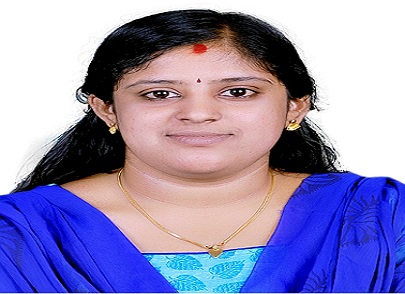
Dr. B R Ananthapadmanabha
Associate Professor & Head
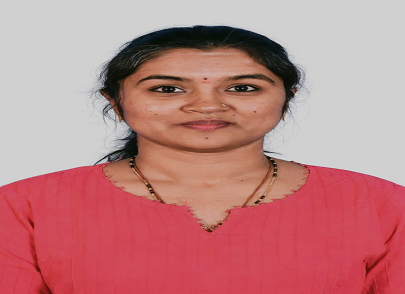
Dr. H Pradeepa
Professor & Dean (Academic Affairs)
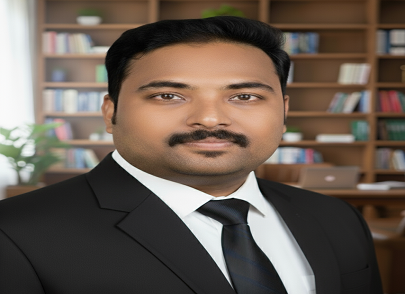
Dr. Likith Kumar M V
Vice Principal (North) & Head - IQAC
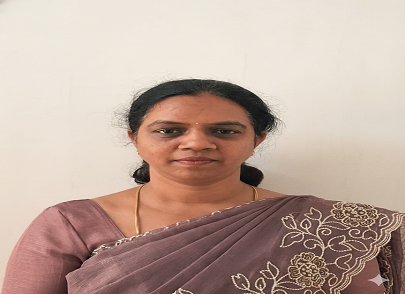
Dr.Jayasankar V N
Associate Professor
Dr. Rohit K Mathew
Associate Professor
Dr.Praveen Kumar Mishra
Assistant Professor
Ms. Sonaxi B Raikar
Assistant Professor
Mr. Neeli Mallikarjuna
Assistant Professor
Mrs.Smrithi Vijayan
Assistant Professor
Mrs.Rajeshwari B Umadi
Assistant Professor
Dr.Raju Yerolla
Assistant Professor
Mrs.Shruthi B
Assistant Professor
Mrs.JayashreeM
Assistant Professor
Mrs. A Shifa Sultana
Assistant Professor
Ms.Ashwini G
Assistant Professor
Ms.Jahnavi B P
Assistant Professor
Mrs.Preethi S
Assistant Professor
Mrs.Chaithra M R
Assistant Professor
Dr.Haseena B A
Assistant Professor
Mrs.Divya B N
Assistant Professor

Curriculum

Access syllabus and timetable for courses taught under the Undergraduate and Post-graduate programmes.

Thank you! Your submission has been received!
Oops! Something went wrong while submitting the form.

Course name

Course code

Download

EEE- M.Tech in POWER SYSTEMS & COMPUTER APPLICATIONS IN INDUSTRIAL DRIVES (for III & IV Sem)

Semester 3
2025-26

EEE-M.Tech in POWER SYSTEMS AND POWER ELECTRONICS - ( I TO IV SEM)

Semester 1
2025-26

EEE- 4th Year Syllabus (2022 Admitted)

Semester 8
2025-26

EEE- 4th Year Syllabus (2022 Admitted)

Semester 7
2025-26

EEE- 3rd Year Syllabus (2023 Admitted)

Semester 6
2025-26

EEE- 3rd Year Syllabus (2023 Admitted)

Semester 5
2025-26

EEE- 2nd Year Syllabus (2024 Admitted)

Semester 4
2025-26

EEE- 2nd Year Syllabus (2024 Admitted)

Semester 3
2025-26

Introduction to Electrical Engineering

Semester 1
2025-26

1BESC104B / 204B

Basics of Electrical Engineering

Semester 1
2025-26

1BBEE105 / 205

No match.....
Thank you! Your submission has been received!
Oops! Something went wrong while submitting the form.
Time Table
Download

1st Semester Class TT-EEE (A&B Sec) 2025-26

Semester 1

2025-26

Time Table -3rd & 5th Sem- Non credit courses - 2025-26

Semester 3

2025-26

Electrical & Electronics Department

Semester 6

2020-21

Thank you! Your submission has been received!
Oops! Something went wrong while submitting the form.

Electrical & Electronics Department Course Material

2025-26

Semester 8
Semester 7
Semester 6
Semester 5
Semester 4
Semester 3
Semester 2
Semester 1
2023-24
2025-26
2025-26
2024-25
2022-23
2021-22
2020-21

Resources & Infrastructure

The Department is equipped with state-of-the-art laboratories and modern infrastructure to support both academic and research activities. Key facilities include advanced labs for Power Systems, Machines, Control Systems, Embedded Systems, and Power Electronics. The department also houses simulation tools, design software, and project development spaces to encourage innovation and hands-on learning.

Best Practices

We implement innovative educational approaches to ensure our students receive a world-class education and preparation for their careers.

Courses with integrated Laboratories

Some courses have lab or tutorial component so that students can learn hands if there has to be practical exposure, or tutorial if there is some problem related that they need to learn.

Design based laboratory projects

Electronics component needs exposure to design on some practical applications, which students work and implement them and do end of semester they show case them.

Usage of open source and/or licensed software tools in the laboratories

We either use open source software or licences tools. Constantly upgrade the curriculum to the latest cutting-edge technologies. Every year we look at the current curriculum and get feedback from various stakeholders and update the syllabus accordingly.

Elective courses by resource persons from Industries (IDE).

From 5th semester onwards we do bring in the blend of Industry driven courses so that the students get exposure to latest and cutting edge technologies for them to learn and implement

Career guidance to the students through academicians/industry experts and alumni

Every year we call upon our alumni or academicians for expert talk to make the students know about what is happening in the industry.

Moodle LMS for Course material, Quizzes & Assignments

All our course material, quizzes and assignments are made available through LMS (moodle).

Departmental Activities

Get a glimpse of all the latest conferences, project displays, lectures, seminars, and other programmes conducted by the Department

Thank you! Your submission has been received!
Oops! Something went wrong while submitting the form.

Title of Seminars/Conferences

Resource Person

Date

Seminars

Student seminars are held at the department every year in the 3rd sem.

Dr. Sandeep

Kumar Agarwal

29 Dec 2023

and

December 29, 2023

Seminars

IoT seminars are held during the handling of the elective - as part of the learning process.

Dr. Sandeep
Kumar Agarwal

29 Dec 2023

and

December 29, 2023

celebrations

The Inaugural event of the Department of MCA was held in 2022.

Dr. Sandeep

Kumar Agarwal

29 Dec 2023

and

December 29, 2023

Seminars

Web seminars with design of websites are held during the 1st semester - as part of the learning process.

Dr. Sandeep

Kumar Agarwal

29 Dec 2023

and

December 29, 2023

What our Alumni say

See what our students and alumni have to say about their experience of studying at a world-class institution.

NIE shaped my career with its exceptional faculty, cutting-edge curriculum, and hands-on learning. The supportive environment and industry connections prepared me for success in the engineering world.

Ananth G S

2008 Passout

Due to technological changes, the need for innovation is essential. NIE students have always stood out with their innovative solutions. We wish the students and the college a great placement season.
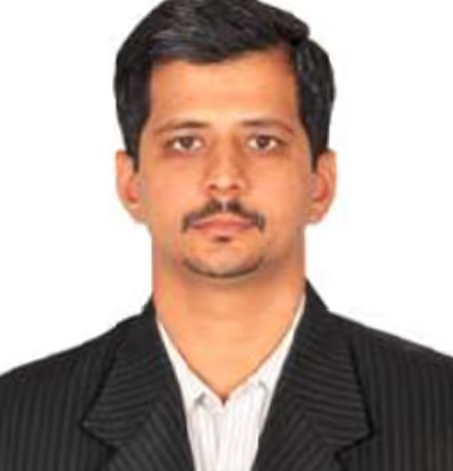
Pradeep Kote – TCS

Head - Campus Recruitment, Karnataka

I got placed in three reputed companies. The placement team helped me in soft skills, personal growth, and interview preparation. NIE gave me a holistic learning environment.

 Naveen Krishna

Dassault Systèmes, Halodoc, 2adpro Media

The exposure at NIE helped me grow. Thanks to the placement department for constant support and encouragement. NIE and T&P cell gave me the platform to prove myself and connect with the industry.

Miruthula V S

The Training & Placement division played a big role in my journey. The workshops and activities helped boost my confidence. I can say it's one of the best departments to help students get placed.

Praful R – Civil Department

Evalueserve

Get in touch

Dr. B R Ananthapadmanabha

Associate Professor and HOD

Department of Electrical and Electronics Engineering  

The National Institute of Engineering

Mysuru - 570 008

peo’s

PEO1

Our graduates will acquire the necessary mathematical and scientific knowledge as well as basic managerial and financial procedures to analyze and solve real world problems within their work domain.

PEO2 :

Our graduates will acquire the state-of-art knowledge in major areas of computing science like programming, networking, information security & algorithm development as well as technology solutions like cloud, database systems and mobile applications to enable them to succeed in pursuit of higher studies/ Industry/R&D activity

PEO3 :

Our graduates will have the ability and the mindset to continuously update and innovate.

PEO4:

Our graduates will have the necessary communication skills to be able effectively communicate with technical experts and also non- technical end users.

po’s

PO1:

Engineering knowledge: Apply the knowledge of mathematics, science, engineering fundamentals, and an engineering specialization to the solution of complex engineering problems

PO2:

Problem analysis: Identify, formulate, review research literature, and analyse complex engineering problems reaching substantiated conclusions using first principles of mathematics, natural sciences and engineering sciences.

PO3:

Design/development of solutions: Design solutions for complex engineering problems and design system components or processes that meet the specified needs with appropriate consideration for the public health and safety and the cultural, societal and environmental considerations.

PO4:

Conduct investigations of complex problems: Use research-based knowledge and research methods including design of experiments, analysis and interpretation of data, and synthesis of the information to provide valid conclusions.

PO5:

Modern tool usage: Create, select, and apply appropriate techniques, resources, and modern engineering and IT tools including prediction and modeling to complex engineering activities with an understanding of the limitations.

PO6:

The engineer and society: Apply reasoning informed by the contextual knowledge to assess societal, health, safety, legal and cultural issues and the consequent responsibilities relevant to the professional engineering practice.

PO7:

Environment and sustainability: Understand the impact of the professional engineering solutions in societal and environmental contexts, and demonstrate the knowledge of, and need for sustainable development.

PO8:

Ethics: Apply ethical principles and commit to professional ethics and responsibilities and norms of the engineering practice.

PO9:

Individual and team work: Function effectively as an individual, and as a member or leader in diverse teams, and in multidisciplinary settings.

PO10:

Communication: Communicate effectively on complex engineering activities with the engineering community and with society at large, such as, being able to comprehend and write effective reports and design documentation, make effective presentations, and give and receive clear instructions.

PO11:

Project management and finance: Demonstrate knowledge and understanding of the engineering and management principles and apply these to one’s own work, as a member and leader in a team, to manage projects and in multidisciplinary environments.

PO12:

Life-long learning: Recognize the need for, and have the preparation and ability to engage in independent and life-long learning in the broadest context of technological change.

pSo’s

PSO1

The ability to understand, analyze and develop software in the emerging areas for efficient use of computer-based systems of varying complexity.

PSO2

The ability to think logically and apply standard practices and strategies in software project development using open-ended programming environments to deliver a quality product.